Revistas
-
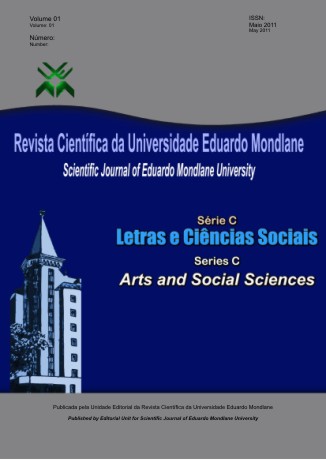
Revista Científica da Universidade Eduardo Mondlane, Série: Letras e Ciências Sociais
A Série Letras e Ciências Sociais é uma série de publicação da Revista Científica da UEM (RC-UEM), publicada pela Unidade Editorial da Revista Científica da Universidade Eduardo Mondlane. É de Acesso Livre, bianual e tem como principal objectivo difundir os resultados das actividades científicas realizadas por docentes e investigadores da Universidade Eduardo Mondlane (UEM) e de outras instituições de ensino superior e de investigação na área das Letras e Ciências Sociais.
ISSN: 2307-3918
-
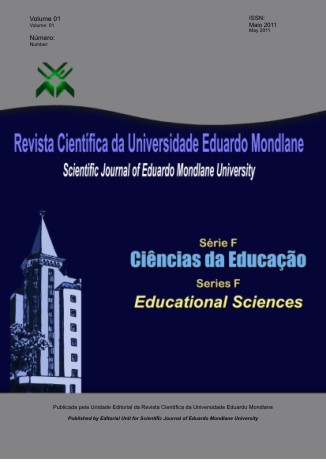
Revista Científica da Universidade Eduardo Mondlane, Série: Ciências da Educação
A Série Ciências da Educação é uma série de publicação da Revista Científica da UEM (RC-UEM), publicada pela Unidade Editorial da Revista Científica da Universidade Eduardo Mondlane. É de Acesso Livre, bianual e tem como principal objectivo difundir os resultados das actividades científicas realizadas por docentes e investigadores da Universidade Eduardo Mondlane (UEM) e de outras instituições de ensino superior e de investigação na área das Ciências da Educação.
ISSN: 2307-390X -
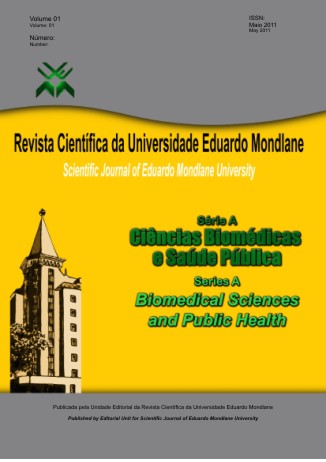
Revista Científica da Universidade Eduardo Mondlane, Série: Ciências Biomédica e Saúde Pública
A Série Ciências Biomédicas e Saúde Pública é uma série de publicação da Revista Científica da UEM (RC-UEM), publicada pela Unidade Editorial da Revista Científica da Universidade Eduardo Mondlane. É de Acesso Livre, bianual e tem como principal objectivo difundir os resultados das actividades científicas realizadas por docentes e investigadores da Universidade Eduardo Mondlane (UEM) e de outras instituições de ensino superior e de investigação na área das Ciências Biomédicas e Saúde Pública.
ISSN: 2307-3896
-
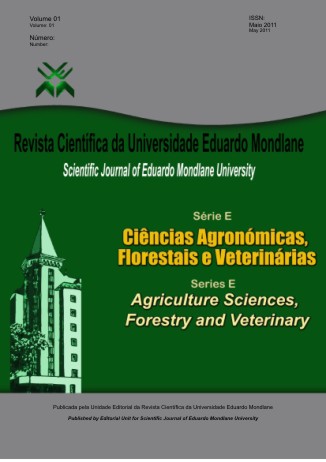
Revista Científica da Universidade Eduardo Mondlane, Série: Ciências Agronómicas, Florestais e Veterinárias
A Série Ciências Agronómicas, Florestais e Veterinárias é uma série de publicação da Revista Científica da UEM (RC-UEM), publicada pela Unidade Editorial da Revista Científica da Universidade Eduardo Mondlane. É de Acesso Livre, bianual e tem como principal objectivo difundir os resultados das actividades científicas realizadas por docentes e investigadores da Universidade Eduardo Mondlane (UEM) e de outras instituições de ensino superior e de investigação na área das Ciências Agronómicas, Florestais e Veterinárias.
ISSN: 2411-0760